Explore the Artist's Vision and Inspirations
Meet the Creative Mind
Discover the inspiration behind Still See Beyond's portfolio. Learn about the artist’s background, creative process, and the stories woven into each project. Engage with a unique fusion of visual storytelling and conceptual artistry.
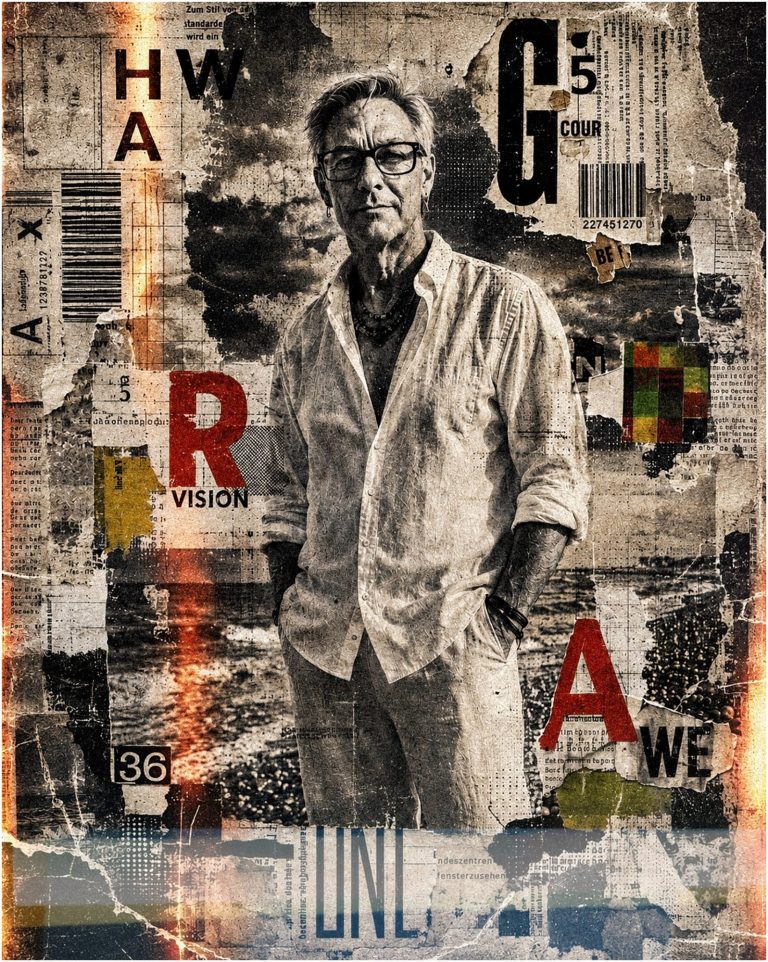
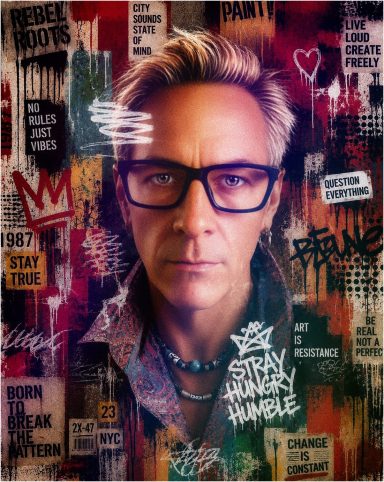
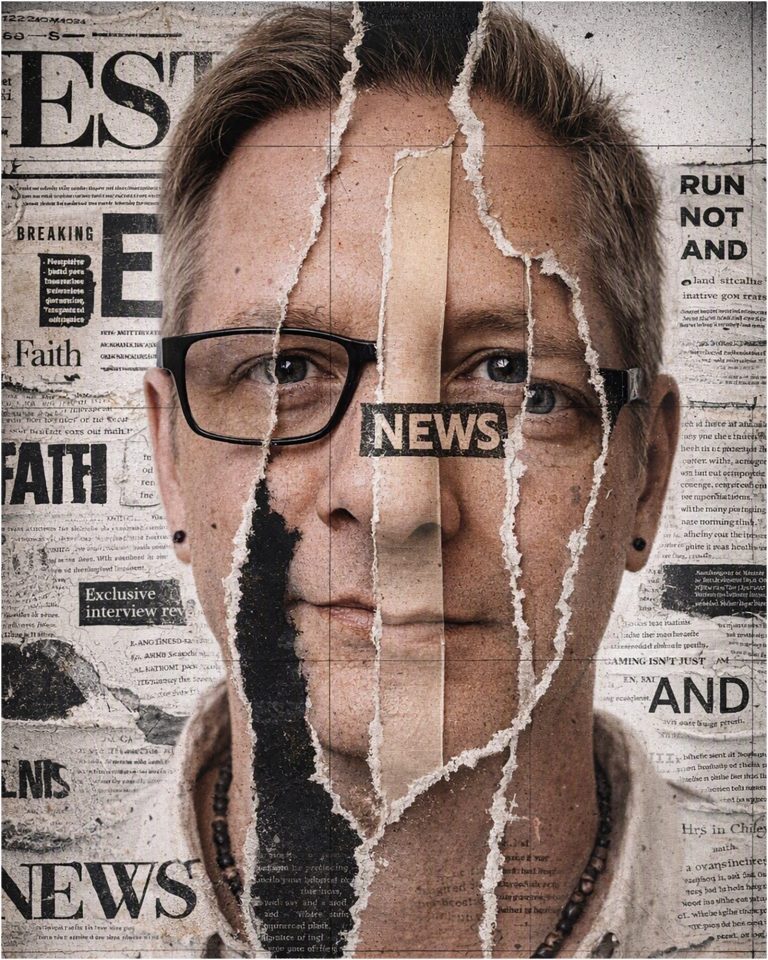
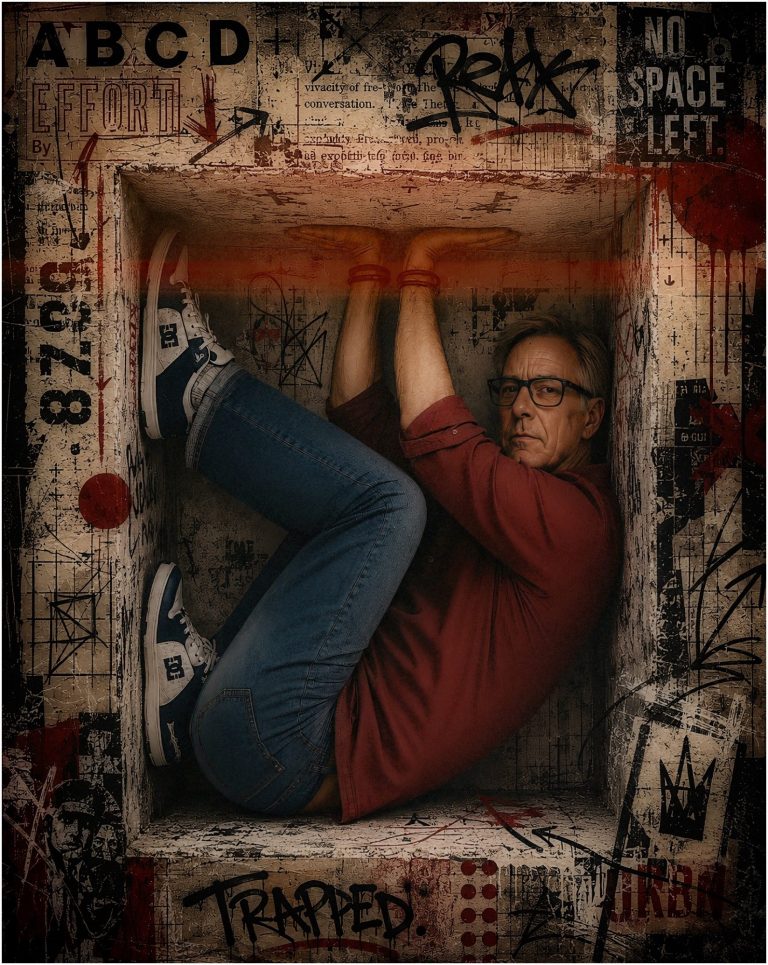
Connecting Vision and Expression in Every Creation
Harnessing the Power of Boundless Insight
Still See Beyond was born from a passion for merging photography with expressive visual arts and creative writing. The mission is to evoke emotion and contemplation, pushing boundaries to see beyond ordinary perspectives. Artistic integrity, innovation, and emotional honesty form the core values guiding this journey.
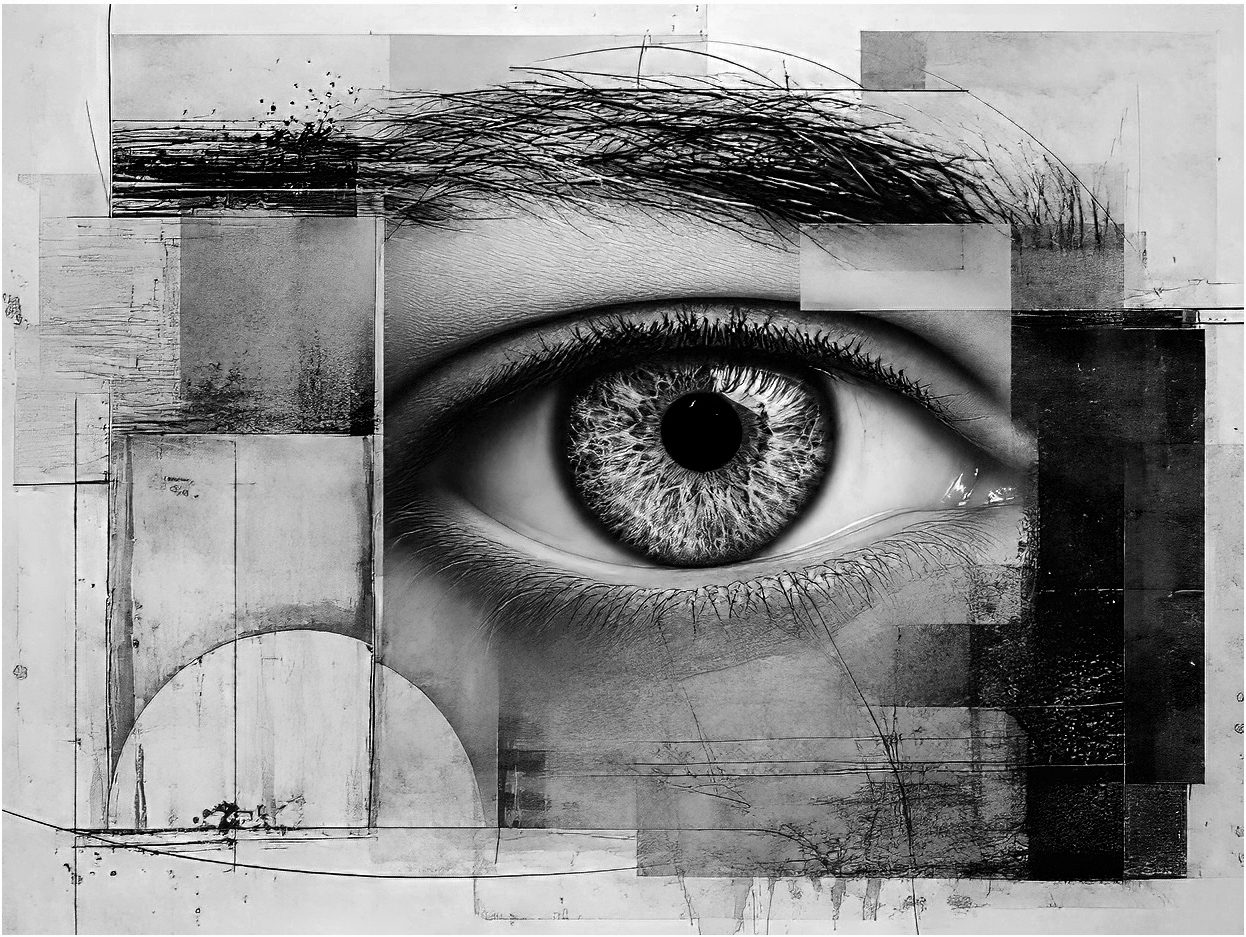
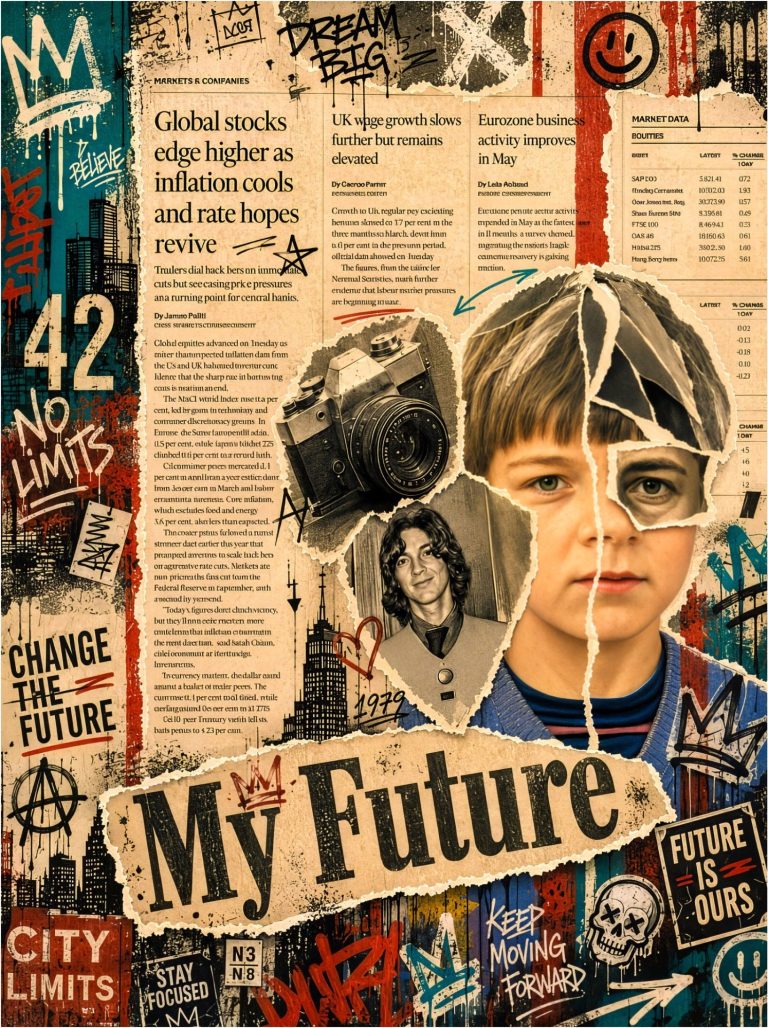
My Creative Vision & How My Mind Works
I am a photographer based in West Sussex whose practice is concerned with creating pictorial emotion: images that exist somewhere between memory, observation, dream and psychological landscape.
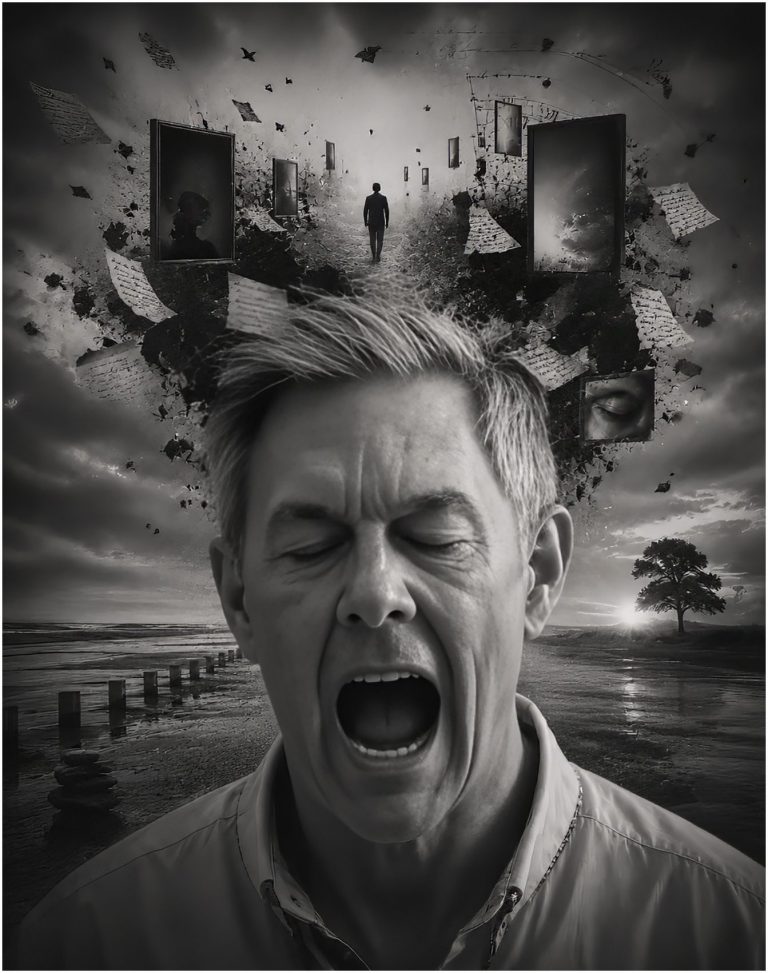
Photography, for me, is not simply a means of recording what is visible. It is a way of questioning reality, disrupting certainty and allowing the unseen to surface. My images often begin with recognisable fragments of the everyday: a landscape, an architectural detail, a body, a tree, a room, a piece of found material or a fleeting gesture. Through layering, manipulation and darkroom-inspired processes, these fragments are moved away from their ordinary context and into a more ambiguous visual space. The resulting work is intended to evoke feeling before explanation, inviting the viewer to bring their own memories, associations and imaginings to the image.
My practice combines historical photographic techniques with contemporary digital processes. I am particularly drawn to the material qualities and expressive imperfections of nineteenth century and early twentieth-century darkroom methods. These processes retain evidence of touch, accident, time and intervention. They resist the polished certainty of conventional photography and open up a space in which the image can feel unstable, fragile or haunted.
Rather than treating traditional techniques as nostalgic artefacts, I use them as active starting points for contemporary experimentation. I work with a combination of analogue processes, hand-made textures, printing methods and digital imaging software, allowing each stage to influence the next. Images may be scanned, layered, distressed, reprinted, reworked or combined with unrelated visual elements. This dialogue between the physical and the digital is central to my practice. It allows me to create work that feels both historical and contemporary, familiar and disquieting.
The process is often intuitive. I do not always begin with a fixed outcome in mind; instead, I allow the image to develop through a series of visual decisions, accidents and discoveries. A photograph may become the foundation for something entirely different from its original subject. Areas of the image may be obscured, repeated, inverted, fragmented or merged with other photographs. This transformation is important because it reflects the way memory operates incomplete, layered, selective and continually revised.
My work is strongly influenced by the surrealist photographers of the early twentieth century, whose approaches to photography expanded its potential beyond straightforward representation. Artists such as Man Ray, Eugène Atget, John Havinden and Florence Henri remain important reference points. Their work demonstrated that photography could be poetic, strange, playful, unsettling and deeply psychological. They used framing, montage, reflection, distortion, solarisation and unexpected juxtapositions to make the familiar appear unfamiliar.
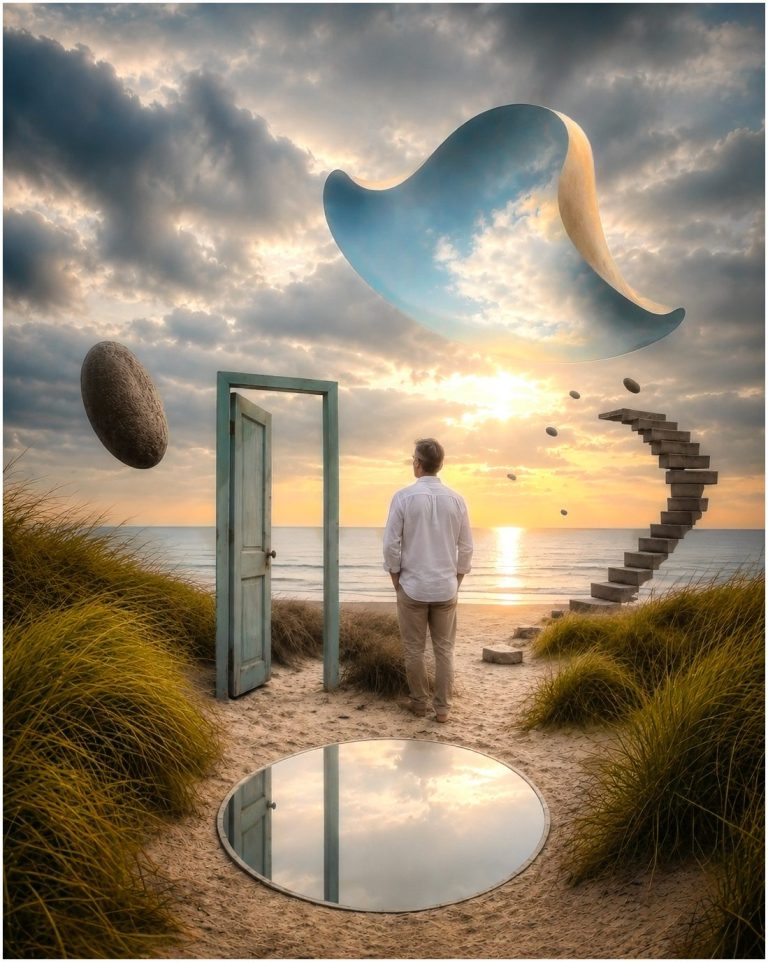
What I find most compelling in surrealist photography is its ability to create a tension between recognition and uncertainty. The viewer sees something they believe they understand, yet the image refuses to settle into a single meaning. A door may become a threshold, a shadow may suggest a presence, a face may become a mask, and a landscape may take on the emotional charge of a dream. This possibility of visual ambiguity sits at the heart of my own work.
Living and working in West Sussex also contributes to the visual language of my work. The coast, changing weather, open landscapes, woodland, urban edges and traces of human presence provide an ongoing source of material. However, I am less interested in documenting location than in using it as a catalyst. A familiar place can become a stage for imagination; a quiet shoreline can suggest absence or longing; a decaying building can become a container for history, memory and loss.
Ultimately, my work seeks to create images that are felt as much as they are seen. I am interested in the emotional residue of a photograph: the sensation that remains after the subject has become uncertain. Through the collision of historical technique and contemporary digital practice, I aim to create surrealist images that invite pause, curiosity and reflection. They are not intended to offer fixed narratives, but to open a space in which the viewer can encounter their own private associations, dreams and unresolved questions.